Sofa cleaning case study real job before and after results
If you have ever looked at a tired sofa and wondered whether it can really be brought back to life, you are in the right place. This sofa cleaning case study real job before and after results article walks through what a genuine upholstery clean looks like in practice, what changes are realistic, and how professionals approach a sofa that has picked up everyday grime, crumbs, body oils, drink marks, and that faint "lived-in" smell that somehow settles in over time. Truth be told, a lot of people want the before-and-after photos, but what matters just as much is the method behind them.
In this guide, you will see how a real sofa clean is assessed, what the cleaning process usually involves, which results you can expect, and where the limits are. You will also get practical advice on protecting fabrics, avoiding common mistakes, and deciding whether a standard clean, a deeper upholstery treatment, or a broader deep cleaning service is the better fit. If you are comparing options, that last bit can save you a headache.
To make this genuinely useful, the article is structured like a case study, not a sales page. That means clear stages, realistic outcomes, a simple comparison table, and a checklist you can actually use. No fluff. No magical claims. Just the sort of detail that helps you decide what to do next.
Table of Contents
- Why sofa cleaning case study real job before and after results matters
- How sofa cleaning case study real job before and after results works
- Key benefits and practical advantages
- Who this is for and when it makes sense
- Step-by-step guidance
- Expert tips for better results
- Common mistakes to avoid
- Tools, resources and recommendations
- Law, compliance, standards, or best practice
- Options, methods, or comparison table
- Case study or real-world example
- Practical checklist
- Conclusion
- Frequently asked questions
Why Sofa cleaning case study real job before and after results Matters
Let's face it: most people do not book upholstery cleaning because the sofa looks pristine. They book it when the fabric starts telling the truth. A patch under the armrest. A darkened seating area. A smell that is hard to name but impossible to ignore. A visible case study helps because it shows what a real job can do, not just what polished marketing photos claim.
That matters for three reasons. First, sofas are expensive, and replacing one too early is a costly decision. Second, upholstery fabrics vary wildly, so a one-size-fits-all promise is not very believable. Third, before-and-after results give you a benchmark. You can see the difference between cosmetic improvement, hygienic cleaning, and full stain removal. They are not always the same thing, and that distinction is where a lot of disappointment starts.
A good case study also builds trust. You can judge whether the cleaner understood the fabric, tested safely, and treated the sofa with care. If you are already comparing broader services, a cleaner's approach to upholstery often says a lot about how they handle domestic cleaning, one-off cleaning, and other jobs where presentation and attention to detail really matter.
There is another practical angle too. Before-and-after results help you set expectations with family, tenants, landlords, or property managers. A sofa can look dramatically better after cleaning without becoming brand new. That is still a win. A very good win, actually.
How Sofa cleaning case study real job before and after results Works
A real upholstery clean usually follows a fairly careful process. The cleaner inspects the sofa first, identifies the fabric type, checks for wear, spots damage, and notes any stains or odours. That inspection is not just a formality. It decides the whole plan. Some materials can handle more moisture and agitation; others need a gentler approach or targeted spot treatment.
After that comes dry soil removal. This is the part people often overlook, but it is essential. Dust, crumbs, hair, and fine grit can sit deep in the weave or cushions. If you skip that stage, you are basically turning grime into slurry later on. Not ideal. A thorough vacuum and surface preparation usually come before any liquid cleaning is used.
Next, the cleaner typically applies an appropriate cleaning solution, allowing dwell time where needed. That means the product stays on the fabric long enough to loosen soil rather than being rushed off straight away. Then comes controlled agitation or extraction, depending on the material and the equipment. On some sofas, a hot water extraction or low-moisture upholstery method is used. On delicate fabrics, the process may be much lighter.
The final steps matter too: rinsing or neutralising where appropriate, careful drying, grooming the fabric pile if needed, and checking the finished result in natural light. If the job is done well, you should see brighter fabric, a cleaner seating area, and a more even appearance across the whole sofa. You may also notice the room smells fresher without being overwhelmed by perfume. That is usually a good sign.
Key Benefits and Practical Advantages
A proper sofa clean offers more than a visual lift. The first obvious benefit is appearance. Marks near the headrest, armrest shine, and general dullness often reduce dramatically. A fabric that once looked greyed-out can look closer to its original tone again. Sometimes the change is subtle. Sometimes it is night and day. It depends on the fabric and the level of soiling.
There is also the comfort factor. A clean sofa tends to feel fresher to use, especially in a busy family home or rental property. If you have pets, children, or just a lot of daily traffic, that fresh feel can be surprisingly noticeable. You sit down and think, ah, that is better.
Another advantage is longevity. Removing embedded dirt helps reduce premature wear. Grit acts a bit like sandpaper over time, especially on frequently used seats. Regular upholstery care can therefore support the lifespan of the sofa, which makes sense when you are trying to avoid unnecessary replacement. It is not glamorous, but it is practical.
For landlords, letting agents, and homeowners preparing for handover, a clean sofa can also improve the overall presentation of a room. If the property has other surface issues, it may be worth looking at services like end of tenancy cleaning or deep cleaning to bring the whole space up together rather than tackling one item in isolation.
Finally, a good cleaning service can reveal the true condition of the upholstery. Sometimes the result is a pleasant surprise. Sometimes it shows that a stain is permanent or that fabric wear is structural, not just dirty. Either way, you know where you stand.
Who This Is For and When It Makes Sense
This kind of case study is useful for homeowners, tenants, landlords, Airbnb hosts, letting agents, and anyone who is considering professional upholstery care but wants to know what the finish will really look like. It is especially relevant if you have a sofa that looks tired rather than damaged, or if the fabric has picked up everyday marks that DIY spot cleaning has not fully shifted.
It also makes sense after a seasonal tidy-up. Spring, pre-Christmas, post-guest visit, post-school-holiday chaos - all of those moments tend to bring sofas into sharp focus. You notice the stains in the afternoon light. Or the dog hairs. Or the coffee ring you have politely ignored for six months. Happens to the best of us.
If your sofa is heavily soiled, or if the upholstery is part of a wider cleaning project, you may be better served by combining the clean with a broader service such as one-off cleaning or even carpet cleaning so the room feels consistently refreshed. A spotless sofa next to grubby carpet is a bit like polishing one shoe and forgetting the other. It just looks unfinished.
It is also worth saying that some sofas should be handled with caution. Antique pieces, silk blends, certain velvets, or water-sensitive fabrics may need specialist treatment. In those cases, the best outcome is not the strongest clean; it is the safest one.
Step-by-Step Guidance
- Inspect the sofa properly. Check the fabric label if it is available, note stains, look for loose stitching, faded areas, and any previous cleaning attempts. A quick glance is not enough.
- Test first, always. A discreet test spot helps confirm that the chosen solution does not distort colour or texture. This is especially important on patterned or delicate fabrics.
- Vacuum thoroughly. Remove dust, crumbs, pet hair, and loose debris from seams, arms, and cushion edges. If the sofa has removable cushions, clean underneath them too.
- Pre-treat problem areas. Common marks such as drink spills, food residue, and body oils may need a targeted product and a bit of dwell time before the main clean.
- Choose the right method. Some fabrics suit extraction cleaning; others need low-moisture or more delicate hand work. The method should suit the upholstery, not the other way round.
- Control the moisture. Too much liquid can leave tide marks, a long drying time, or even internal dampness. That is why careful application matters.
- Lift and extract dirt. Work methodically across the sofa rather than scrubbing one spot hard. Even treatment gives the best visual finish.
- Finish with grooming and drying. Brush the fabric lightly if appropriate, open windows where safe, and keep cushions spaced to help air flow.
- Review the result in daylight. Artificial light can flatter or hide problems. Natural light tells the truth.
- Set a maintenance routine. Once the sofa is clean, regular vacuuming and quick spill response will make the result last longer.
If the sofa is part of a larger property refresh, it may also be useful to check related maintenance areas. For instance, a room's first impression can be affected by windows, flooring, and furniture together, so services like window cleaning and hard floor cleaning can make the result feel much more complete.
Expert Tips for Better Results
Start with the least aggressive method possible. That sounds obvious, but it is easy to forget when a stain is staring back at you. A gentle approach protects fibres and dye better than a heavy-handed one. If a stronger treatment is needed, you can always step it up. Going the other way is much harder.
Always work from the outside of a stain inward. It helps avoid spreading the mark and creating a larger halo. That halo effect is one of those things people do not expect until it appears. Then they remember it forever.
Use daylight to judge progress wherever possible. A sofa can look almost clean under warm indoor lighting, only to show patchiness by the window. A quick check near natural light can save a lot of frustration later.
Drying is not a throwaway step. Good airflow matters. If cushions are put straight back into a closed-up room, you may trap moisture and slow the finish. A few hours of sensible ventilation can make a big difference. On colder UK days, especially in winter, the drying stage often takes longer than people expect.
Finally, if the sofa has embedded odours, remember that scent and cleanliness are not the same thing. A clean sofa can still smell a bit odd if the issue is deep within the fibres or the filling. In those cases, the job may need a more thorough upholstery treatment rather than a quick freshen-up.
Expert summary: the best sofa cleaning results come from accurate fabric identification, careful moisture control, and patient finishing. Fast is rarely best. Steady usually wins.
Common Mistakes to Avoid
The most common mistake is over-wetting. People see a stain, panic slightly, and keep adding product or water until the area is soaked. That can leave water rings, long drying times, and fabric distortion. Not exactly the glow-up anyone wanted.
Another mistake is using the wrong product on the wrong fabric. A sofa labelled for solvent-only cleaning should not be treated like a standard polyester settee. Likewise, bright-coloured or delicate fabrics can react badly to aggressive chemicals. Testing matters.
Scrubbing too hard is another classic error. It may feel productive, but it can roughen the pile, spread the stain, or create a lighter patch where fibres are damaged. Gentle, repeated passes are usually much safer.
Skipping vacuuming is also a problem. If loose grit remains in the fabric, the cleaning stage can just smear it around. Small detail, big consequence.
People also underestimate drying time. Sitting on a damp sofa too soon can flatten the fabric and transfer fresh dirt back onto the clean area. If you are in a rush, that is annoying. If you are not in a rush, even better. Give it time.
And one more: expecting every mark to vanish. Some stains are permanent, some are heat-set, and some have altered the fibre itself. A professional can often improve them significantly, but honest expectations lead to better satisfaction.
Tools, Resources and Recommendations
For a proper upholstery job, the tools matter. A strong vacuum with upholstery attachments is a basic starting point. Microfibre cloths, soft brushes, and appropriate pre-treatment products are useful too. Depending on the fabric, a low-moisture cleaning system or extraction machine may be the better choice.
For homeowners, the best "resource" is often a small maintenance kit rather than a cupboard full of random sprays. Keep a clean cloth, a neutral spot cleaner if suitable for your fabric, and a brush attachment for regular vacuuming. Simple works.
If you are booking a service, ask what method will be used, whether the fabric will be tested first, and how drying is managed. That is not being fussy. That is being sensible. A good provider should be comfortable answering those questions clearly.
If your project goes beyond the sofa, you might also consider related services that often pair well with upholstery work, such as rug cleaning or upholstery cleaning for chairs and headboards. Keeping soft furnishings on the same care level makes the room feel more balanced.
For planning and budgeting, it is wise to review pricing and quotes rather than guessing. And if you want to understand the business itself before booking, the company background on about us can help you decide whether the service feels like the right fit.
Law, Compliance, Standards, or Best Practice
For sofa cleaning, the main compliance point is less about a single law and more about safe, sensible practice. In the UK, professional cleaners are expected to use products responsibly, follow safety guidance, and take care around fabrics, fumes, moisture, and electrical risks from equipment. That sounds obvious, but it is exactly the sort of thing that separates a careful operator from a reckless one.
If a cleaner is entering a home, handling equipment, and using cleaning agents, they should work with appropriate health and safety awareness. Clear communication about fabric condition, access, drying time, and any limitations is also part of good practice. You do not need a lecture. Just honest information and sensible handling.
Insurance matters too. Accidents are rare, but when they happen, both sides need reassurance. A well-run service should be able to explain how it handles liability, care of furnishings, and customer expectations. If you are comparing providers, it is reasonable to ask about insurance and safety and to read the company's health and safety policy if available.
There is also a practical trust angle. Services that publish clear policies, payment information, and complaint routes tend to feel more accountable. That does not guarantee perfection, of course, but it does show a degree of professionalism. You may also want to look at payment and security and the complaints procedure if you are making a decision based on transparency.
For environmentally minded customers, checking a company's approach to waste and products is fair enough too. Recycling and sustainability can be a useful indicator of wider operating standards, even if your main concern is just getting the sofa cleaned properly.
Options, Methods, or Comparison Table
Not every sofa needs the same approach. Some need a light refresh. Some need stain-focused work. Others need a more intensive extraction clean. Here is a straightforward comparison to help you think it through.
| Method | Best for | Typical outcome | Watch-outs |
|---|---|---|---|
| Vacuum and surface refresh | Light dust, crumbs, and general upkeep | Cleaner surface, fresher feel, limited stain change | Won't remove deeper soiling |
| Spot treatment | Small spills and isolated marks | Targeted improvement on specific areas | Can leave halos if applied badly |
| Low-moisture upholstery clean | Delicate fabrics or quicker drying needs | Good overall refresh with less water use | May be less effective on heavy grime |
| Extraction cleaning | Heavier dirt, busy family sofas, pet use | Stronger visible before-and-after difference | Needs proper drying and fabric suitability |
| Specialist fabric treatment | Velvet, antique, or sensitive upholstery | Safer, more controlled results | Usually slower and more cautious |
The right method depends on the fabric, the condition, and what the sofa needs most. A couch in a student flat with drink marks is not the same job as a heritage piece in a formal sitting room. Different problems, different solutions. Simple as that.
Case Study or Real-World Example
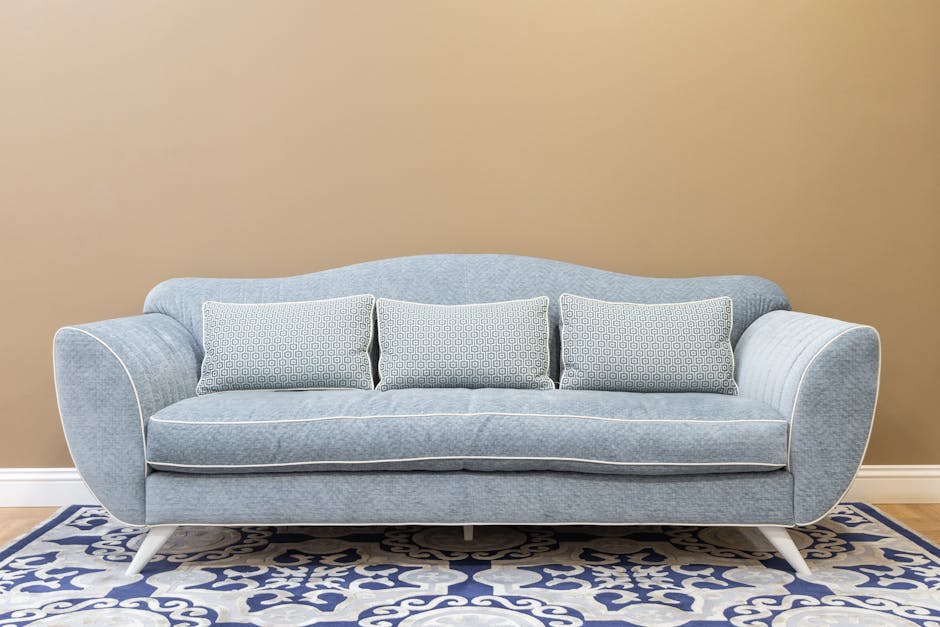
Here is a realistic example based on a typical domestic upholstery job. A three-seater fabric sofa in a family living room had visible darkening on the headrests and seat cushions, a few old food marks, and general dullness from everyday use. The owner was not looking for perfection. They mainly wanted it to look respectable again and smell fresher.
Before cleaning, the sofa looked flat in colour, especially on the arms and central seating area. The fabric had a greasy sheen in places, which is often a sign of body oils and repeated contact. One cushion had a small, older spill mark that had already been treated unsuccessfully at home. The room itself was otherwise tidy, so the sofa was the main thing dragging the space down.
The clean began with a fabric check and a test spot. A vacuum removed dry debris from seams and edges. The problem zones were pre-treated, then cleaned using a method suitable for the upholstery type. The cleaner worked carefully around stitching and avoided soaking the cushions. A final pass lifted residual moisture and improved the fabric appearance.
After the job, the sofa looked noticeably brighter and more even. The darkened patches on the arms were reduced, the seat cushions looked less tired, and the old spill mark was improved, though not completely erased. That is realistic. The smell was fresher too, not perfumed, just clean. The kind of clean you notice when you walk back into the room after a few hours and think, yes, that feels better.
What did not happen? The sofa did not become showroom-new. A small amount of wear remained in the high-contact areas because wear is wear. But the visual improvement was strong enough that the owner felt comfortable keeping the sofa in place rather than replacing it. That is often the real value of a good clean.
If the same job had been part of a larger move-out or reset, it could have sat alongside end of tenancy cleaning or a broader domestic cleaning visit to make the property feel fully sorted. Sometimes the sofa is the last little thing making a room feel unfinished. Funny how that works.
Practical Checklist
- Confirm the sofa fabric type if a label is available.
- Check for loose threads, wear spots, or existing damage before cleaning.
- Test any product in a hidden area first.
- Vacuum cushions, seams, and underneath removable parts.
- Pre-treat stains gently rather than scrubbing hard.
- Use the lowest-risk method that suits the fabric.
- Avoid over-wetting the upholstery.
- Allow enough drying time before using the sofa again.
- Review the result in daylight, not only under indoor lighting.
- Keep up with regular maintenance so the result lasts.
A small checklist like this sounds basic, but it prevents most of the avoidable issues. And honestly, most upholstery problems start with one rushed decision.
Conclusion
A sofa cleaning case study with real before and after results is useful because it shows the truth behind the transformation. Not every job is dramatic, but most well-done cleans deliver a clearer, fresher, more usable sofa. That alone can change how the whole room feels. It can also help you avoid a replacement you did not actually need.
The best results come from careful inspection, the right method, sensible moisture control, and realistic expectations. If you want a bigger uplift across the room, you may want to combine upholstery care with related services such as carpet cleaning or one-off cleaning. But even on its own, a professionally cleaned sofa can make a home feel calmer, brighter, and much more cared for.
Get a free quote today and see how much you can save.
And if nothing else, there is something quietly satisfying about seeing a tired sofa come back to life. Not dramatic, not flashy. Just properly cleaned, and ready for the next chapter.
Frequently Asked Questions
What does a sofa cleaning case study real job before and after results actually show?
It shows what a real upholstery clean can achieve on an actual sofa, including the starting condition, the cleaning method, and the visible result afterwards. That helps set honest expectations.
Can all stains be removed from a sofa?
No. Some stains are permanent, heat-set, or deeply embedded in the fibre. A good clean can often improve them a lot, but it cannot always erase every mark.
How long does a sofa take to dry after cleaning?
Drying time varies depending on fabric type, room temperature, ventilation, and the amount of moisture used. In many homes it may take several hours, and sometimes longer in cooler weather.
Is steam cleaning safe for all sofas?
Not automatically. Some fabrics handle moisture well, while others need low-moisture or specialist treatment. The fabric should be checked before any method is chosen.
What is the difference between upholstery cleaning and deep cleaning?
Upholstery cleaning focuses on furniture fabrics such as sofas and chairs, while deep cleaning usually refers to a broader clean of the home or property. The two can work very well together.
Will sofa cleaning remove pet smells?
Often it reduces them significantly, especially if the odour is in the surface fibres. Stronger or deeper odours may need a more thorough treatment and careful drying.
Can I clean a sofa myself instead of hiring a professional?
You can handle light maintenance yourself, such as vacuuming and careful spot treatment. For stained, delicate, or heavily used sofas, professional cleaning is usually safer and more effective.
How often should a sofa be professionally cleaned?
That depends on use. A family sofa with children or pets may need more regular care than a lightly used formal sitting room piece. Regular vacuuming helps stretch the time between cleans.
Why does my sofa look patchy after cleaning?
Patchiness can happen if the fabric dried unevenly, if too much water was used, or if the cleaner only treated isolated areas. An even process and proper finishing help reduce this risk.
Is sofa cleaning worth it before moving out of a property?
Yes, it often is. A clean sofa can improve the overall presentation of the property and help the space feel more cared for, especially when paired with other cleaning tasks.
What should I ask before booking upholstery cleaning?
Ask what method will be used, whether the fabric will be tested, how drying is managed, and whether the cleaner can explain any limits on stain removal. Clear answers are a good sign.
What makes a before and after result genuinely good?
A genuinely good result looks cleaner, brighter, and more even, while still respecting the fabric's condition. It should feel fresh and usable, not over-processed or damaged.